
Guide · 27 November 2026 · 9 min
How to Store Silk Sarees and Velvet Fabric Stock So It Stays Saleable
A practical storage guide for shops and traders: how to fold and refold zari sarees, which covers to use, how to get through the monsoon, how to keep pests away, and how to store and steam velvet.
Quick answer
- Store silk sarees folded in muslin or old cotton covers, never sealed in plastic, and refold them along new lines every two to three months so zari does not crack at the folds.
- Keep stock off the floor, away from walls, and dry. In the monsoon, keep cupboards shut on damp days, use silica gel, and air the stock in shade on dry days.
- Keep moths and silverfish away with clean shelves, neem leaves or cloves in cloth pouches, and regular checks. Do not let naphthalene balls touch silk or zari.
- Store velvet rolled on a tube, supported so the roll does not press on itself. Never put weight on folded velvet. Steam crush marks out from the back.
- Date every bundle when it arrives and sell oldest first. Stock that waits two seasons is the stock that gets damaged.
To keep silk sarees and velvet fabric saleable, store them clean, dry, covered in breathable cotton, off the floor and without weight on top, and keep them moving. Refold zari sarees every few months, store velvet on rolls rather than in heavy stacks, and sell older stock before newer stock.
Most storage damage is not bad luck. It is a fold that cracked because a saree sat the same way for a year, a crush mark from a box placed on velvet, or a yellow patch from a plastic cover in the monsoon. Each turns a full-price piece into a discount piece.
Folding and refolding zari sarees
Zari sarees need to be refolded along new lines every two to three months, because zari is the part that breaks first. Zari is metallic thread, and when it stays bent along one line for months it weakens and can cut through, leaving a line that cannot be repaired.
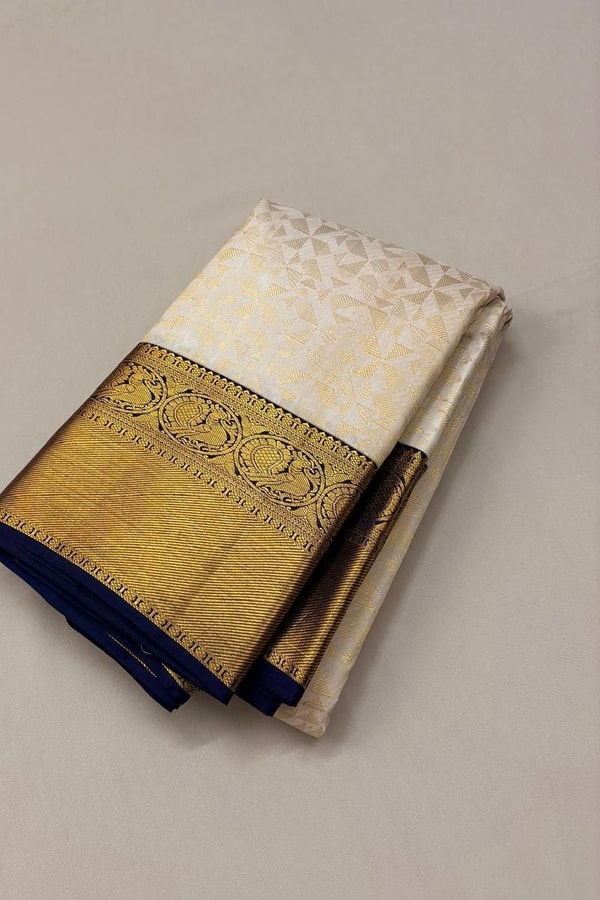
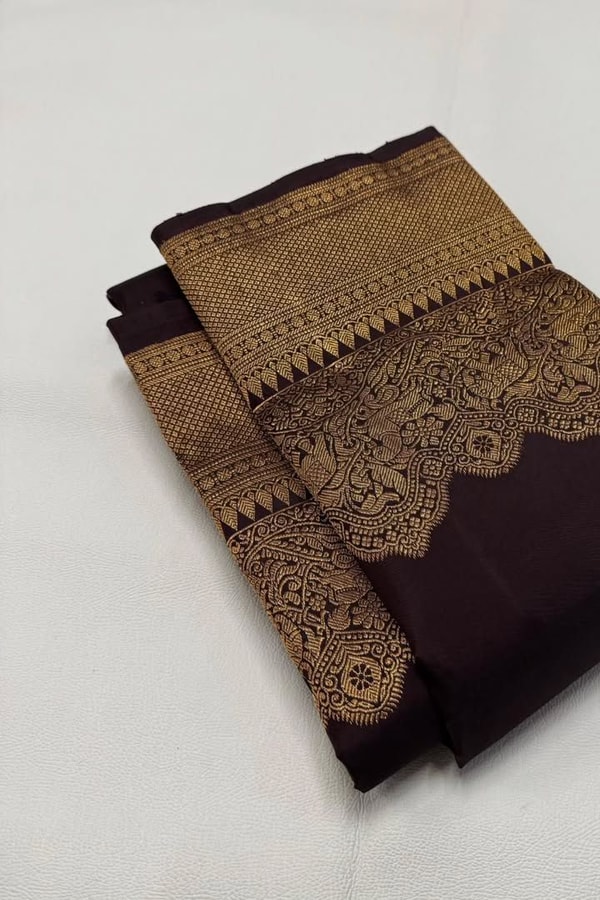
- Fold the border loosely. Do not press a sharp crease into a zari border or pallu. A soft roll of tissue or muslin inside the fold helps on heavy pieces.
- Change the fold. When you refold, shift the folds a few inches so the stress falls on new lines. Put a date on the cover so you know when it was last done.
- Stack light. Keep heavy brocade sarees only a few pieces high, heaviest at the bottom.
Covers: muslin or cotton, not plastic
Use breathable cotton covers: muslin, mulmul or clean old cotton sarees and dhotis. Silk needs air. A sealed plastic bag traps moisture, and in humid weather that moisture brings mildew spots, a musty smell and yellow patches on light colours.
The supplier's plastic bag is for transport, not storage. Keep newspaper away from light colours, because ink and acidic paper can mark them, and line wooden shelves with a cotton sheet so silk does not rest on bare wood.
Humidity and the monsoon
Humidity is the biggest risk for silk and velvet stock in most Indian shops, and the monsoon months need a routine of their own. Damp air brings mildew, dulls zari and flattens velvet pile.
- Off the floor, off the wall. Keep the lowest shelf a few inches above the floor and leave a gap behind racks. Floors and outer walls stay damp long after the rain.
- Doors shut on damp days. Open cupboards and godown doors only when the air is dry.
- Silica gel. Keep sachets in each cupboard and replace them when they stop working. A closed godown is worth a dehumidifier.
- Air in shade. On a dry, sunny day after rain, open the covers and let stock breathe in shade for a few hours. Direct sun fades silk along the folds.
Moths, silverfish and other pests
Cleanliness and regular checks keep pests away better than any product. Moth larvae feed on animal fibres like pure silk and wool. Silverfish go for starch, sizing and paper, which is why they gather near cardboard boxes, old papers and new stock with finish on it.
- Clean shelves and corners before restocking, and do not store sarees in cardboard cartons for long.
- Keep dried neem leaves, cloves or cedar blocks in small cloth pouches on the shelves, not loose on the fabric.
- If you use naphthalene balls, wrap them in cloth and keep them away from silk and zari. Customers also notice the smell.
- Open and check every bundle at least once a month. A small hole found early saves the rest of the shelf.
Velvet: rolls on tubes, not heavy stacks
Velvet stays saleable when it is stored rolled on a tube, with nothing pressing on the pile. Any weight on velvet leaves a crush mark, and on plain velvet that mark shows as a lighter or darker patch.
- Rolls. Keep velvet on the tube it came on. The best way is a rod through the tube on a rack, so the roll hangs and does not rest on its own pile. Otherwise lay rolls flat in a single layer.
- Do not stand rolls on end or pile them up. The bottom edge, or the bottom roll, takes the full weight.
- Cut pieces. If you must fold, fold loosely, keep the stack short and put nothing on top.
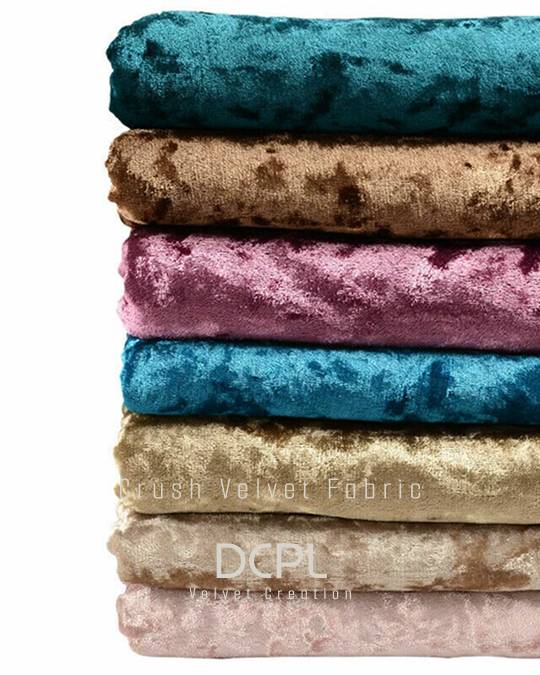
Plain velvets like micro 9000 show marks most clearly, so give them the best rack space. When buying in bulk, ask how rolls are packed and check them on arrival; our post on checking velvet quality before a bulk order covers that inspection.
Crush marks: how to steam them out
Most crush marks on velvet come out with steam from the back, as long as you never press the pile. Hang the piece and pass a garment steamer over the back, a few centimetres away, so the steam lifts the pile from behind. While it is warm, brush the face lightly with a soft clothes brush in the direction of the pile, then let it hang until fully dry before folding.
From our factory: Never put an iron on the face of velvet. If you must iron, iron only the back, on low heat, with the face down on a thick towel. A hot iron on the face flattens the pile for good and leaves a shine you cannot steam out.
Problems, causes and fixes
When a piece goes wrong in storage, the cause is usually one of a handful. Find it here and stop it happening to the next piece.
| Problem | Usual cause | Fix and prevention |
|---|---|---|
| Zari cracking at folds | Same fold for months, sharp creases | Refold every 2 to 3 months, soften folds with muslin |
| Yellow patches on light sarees | Plastic covers, newspaper, bare wood | Cotton covers, lined shelves, separate light colours |
| Musty smell, mildew spots | Damp storage, sealed bags | Silica gel, shade airing, stock off floor and walls |
| Small holes | Moth larvae, silverfish | Clean shelves, neem or clove pouches, monthly checks |
| Dull or darkened zari | Humidity, rubber bands, strong chemicals | Dry storage, cotton ties, no naphthalene contact |
| Faded fold lines | Sunlight or display lights on the same fold | Rotate display pieces, keep stock out of direct sun |
| Colour transfer | Dark and light pieces pressed together in damp | Separate covers for dark and light colours |
| Crush marks on velvet | Weight on folds, rolls stacked or on end | Steam from the back, store rolls hung or single layer |
From receiving to rotating: a simple routine
Good storage starts the day stock arrives and ends the day it sells.
- Receive and count Match pieces and metres against the invoice. Open every parcel the same day.
- Check each piece Look for damp, stains, crush marks and colour differences. Photograph any problem and tell the supplier straight away.
- Label Write the arrival date, design number and lot on each cover or roll tag.
- Store Sarees in cotton covers on lined shelves, velvet on rolls, everything off the floor and dry.
- Check monthly Open covers, look for pests and damp, and refold zari sarees every two to three months.
- Rotate Move older stock to the front and show it first.
Stock rotation: first in, first out
The cheapest storage protection is selling stock before it has time to get damaged. First in, first out (FIFO) means the oldest dated stock is shown and sold first, and new arrivals go to the back of the shelf.
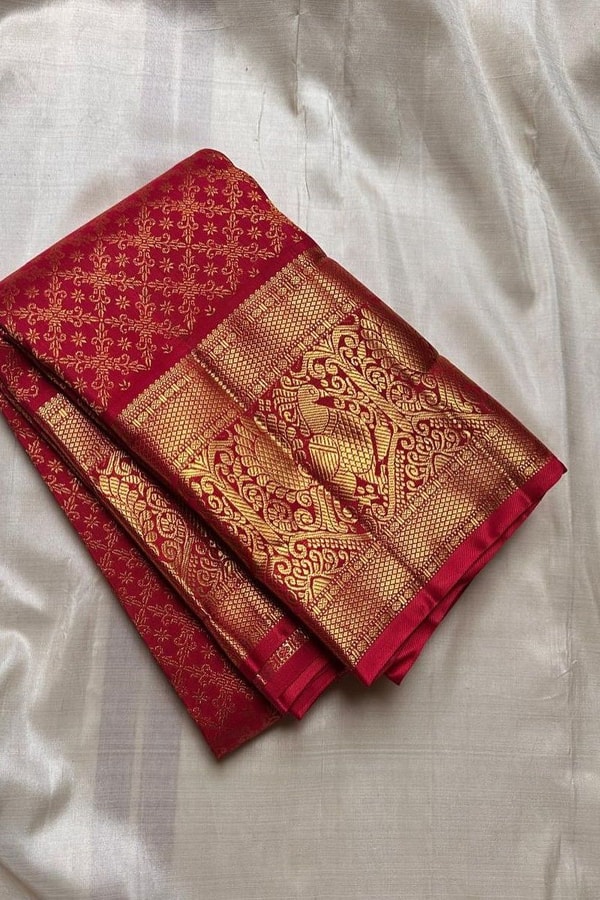
Dates on every cover make FIFO easy. Once a month, list anything older than one season and show it first. Buying smaller lots more often also helps: a saree order needs only 20 pieces in all, any designs, so you can reorder bestsellers like our Banarasi soft silk sarees instead of holding a year of stock. For the wedding rush, plan your wedding saree buying so stock arrives a few weeks ahead and does not sit through the monsoon. Our guide to buying sarees wholesale from Surat covers lot sizes and timing.
For current designs, stock and the price list, WhatsApp us at +91 99131 40434, or contact us to visit our factory in Surat.
Frequently asked questions
How often should silk sarees be refolded?
Refold zari and silk sarees every two to three months, and shift the folds a few inches each time so the stress falls on new lines. Heavy brocade borders and pallus need it most, because zari kept bent in one place weakens and can crack. Write the date on the cover so you know when each saree was last refolded.
Can I store silk sarees in plastic bags?
Not for long. Plastic traps moisture, and in humid weather that leads to mildew, a musty smell and yellow patches, especially on light colours. Use muslin or clean cotton covers for storage. Keep the supplier's plastic bag only for transport, or open it at both ends if you must use it for display.
How do I protect saree stock during the monsoon?
Keep stock off the floor and away from outer walls, keep cupboard doors shut on damp days, and put silica gel sachets in each cupboard. On dry days after rain, air the stock in shade for a few hours. Open any parcel that arrives wet straight away and dry it in shade before shelving.
Should velvet fabric be rolled or folded for storage?
Rolled. Velvet keeps its pile best on a tube, ideally hung on a rod through the tube or laid flat in a single layer. Folding and stacking puts weight on the pile and leaves crush marks. If you must fold cut pieces, fold loosely, keep the stack short and put nothing on top.
How do I remove crush marks from velvet?
Steam the velvet from the back with a garment steamer held a few centimetres away, then brush the face lightly in the direction of the pile and let it hang until dry. Never press an iron on the face, because it flattens the pile permanently and leaves a shine that steam cannot fix.