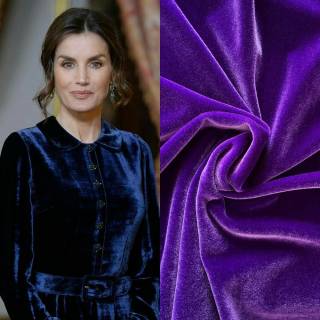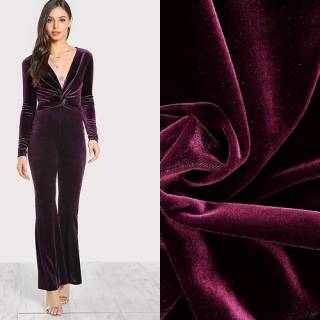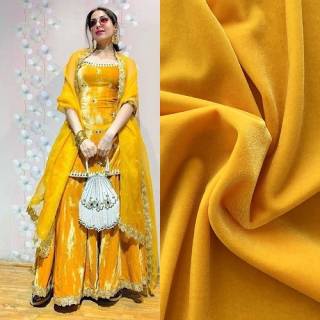
Velvet Fabric: A Timeless Luxury That Transcends Eras
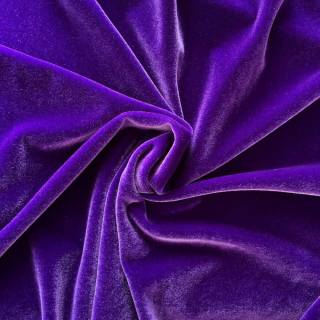
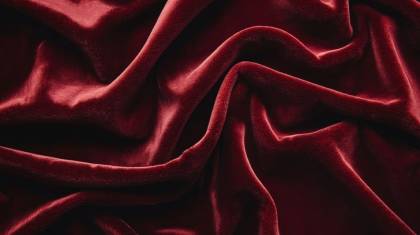
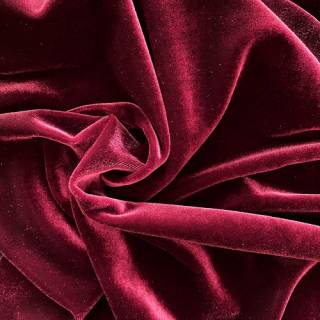
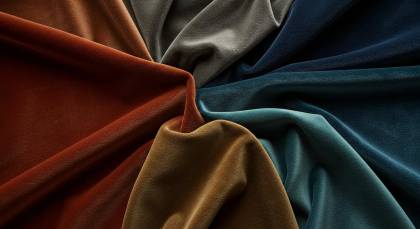
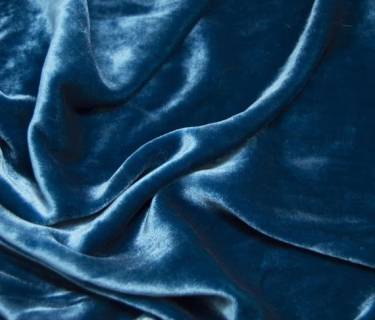
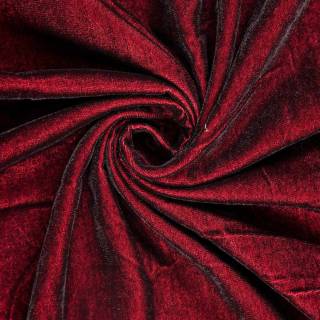
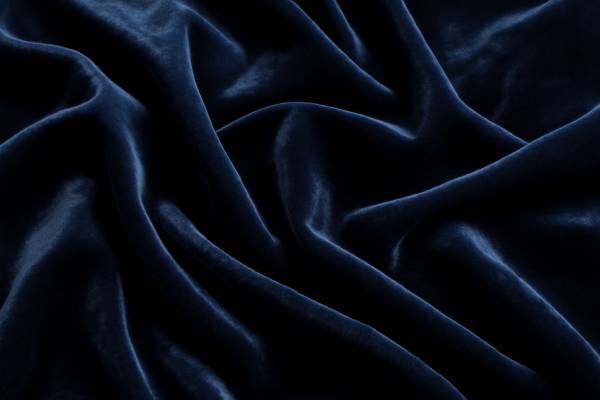
Velvet fabric is renowned for its luxurious texture and centuries-old legacy, evolving from regal silk origins to contemporary fashion and décor trends. Its unique weaving techniques, diverse types, and ongoing popularity make it a fascinating textile with enduring appeal.
Velvet Fabric History
Velvet traces its roots to ancient Egypt and China, dating as far back as 2000 BCE, eventually becoming a prized fabric among royals and aristocrats throughout the Middle East and Europe. Its reputation grew during the Renaissance in Italian cities like Venice and Genoa, where master craftsmen elevated it to art with embroideries and intricate patterns.
Weaving Techniques
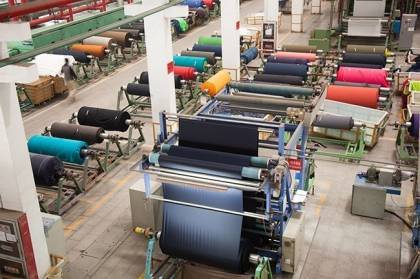
Creating velvet involves specialized looms that weave two layers of fabric face-to-face and then separate them to form the characteristic dense pile. Traditional velvet weaving relies on a cut-pile technique, producing luxurious softness and sheen. Advanced looms, like Jacquard, enable complex patterns such as brocades and pile-on-pile effects.
Types of Velvet
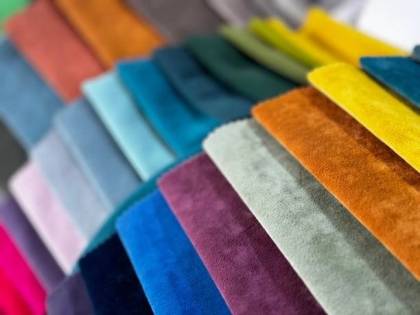
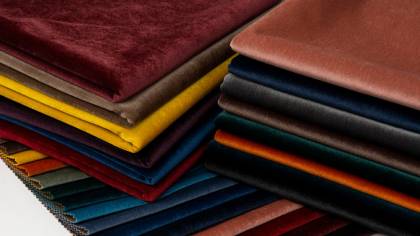
Velvet comes in countless forms, each suited to specific uses:
-
Plush Velvet: Extra-long pile, ultra-soft, ideal for blankets.
-
Stretch Velvet: Contains spandex, perfect for flexible garments and upholstery.
-
Velveteen: Short pile, heavier, less shine, used in elegant apparel.
-
Lyons Velvet: Dense, stiff, best for hats and coats.
-
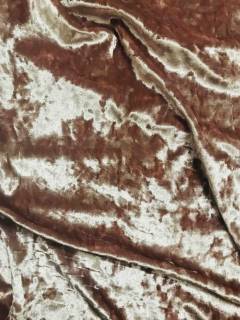
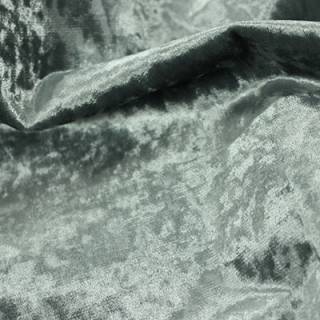
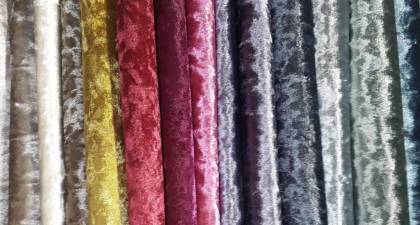
Panne Velvet: Crushed pile, shimmering surface, popular in apparel.
-
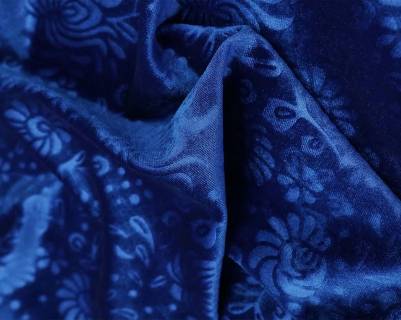
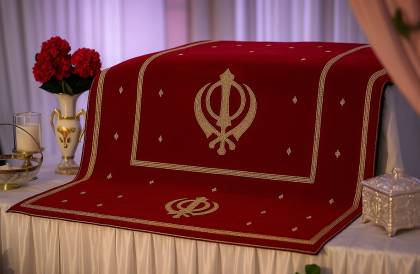
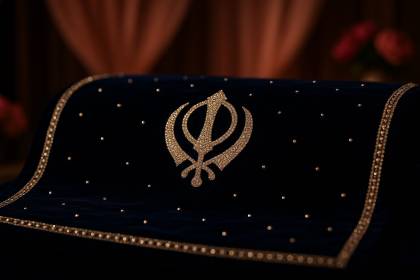
Embossed Velvet: Patterns created via heat pressure, used for distinctive décor and ethnic wear.
-
Devore (Burnout) Velvet: Designs formed by burning out sections of pile, highly artistic for evening wear.
Velvet in Fashion and Ethnic Wear
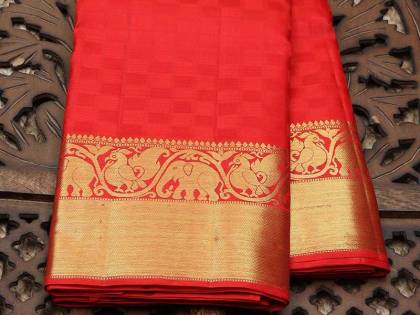
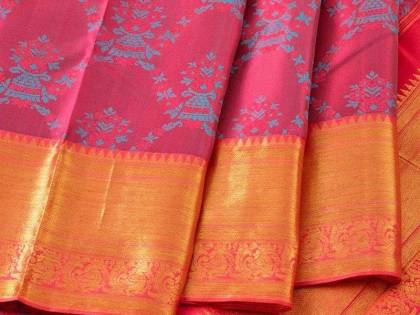
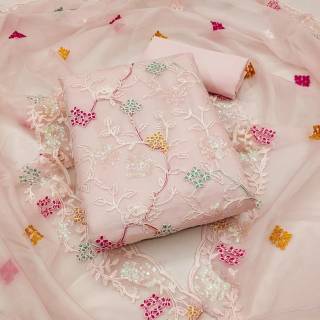
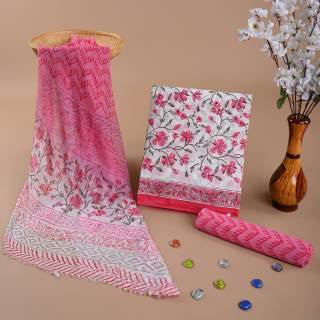
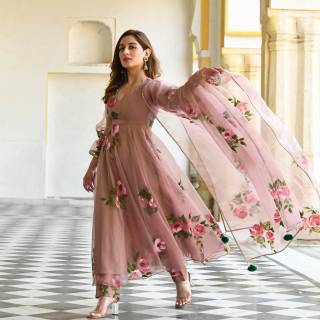
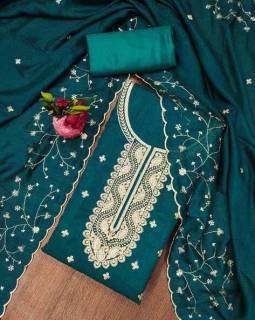
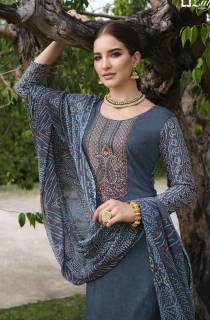
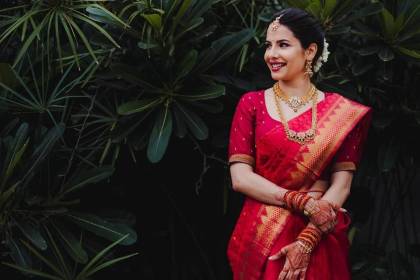
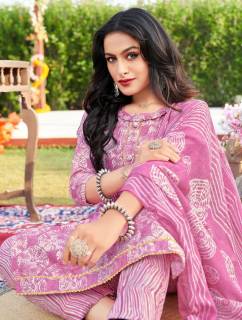
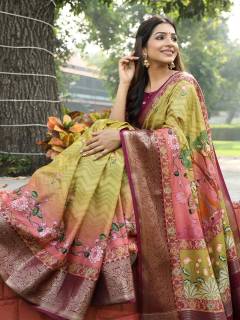
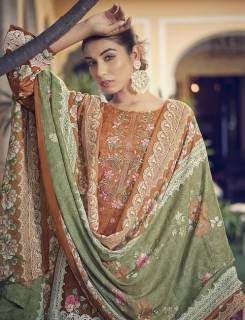
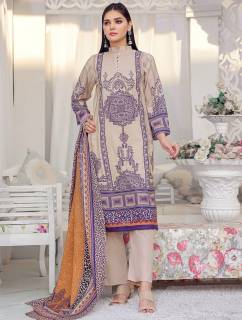
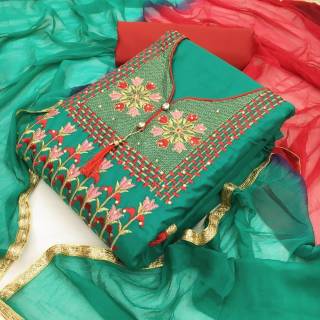
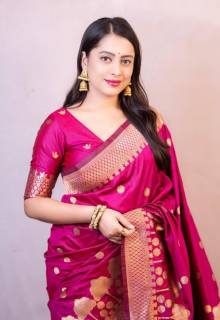
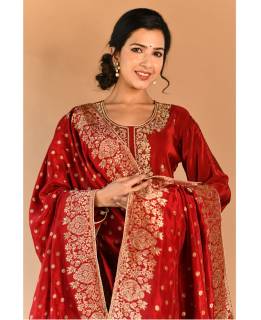
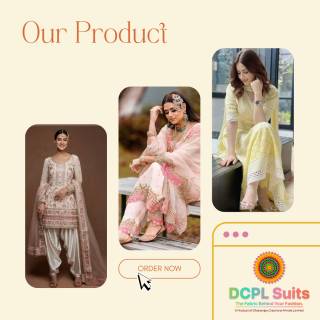
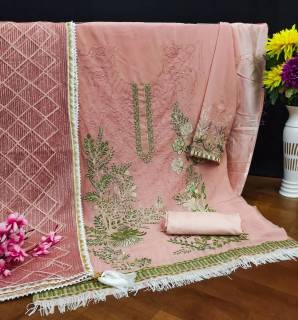
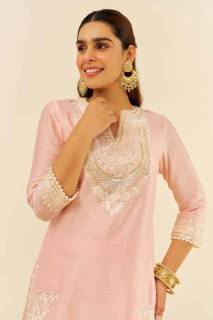
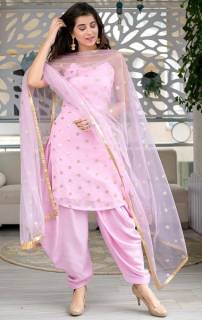
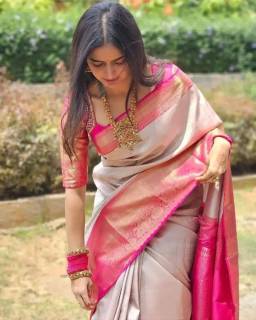
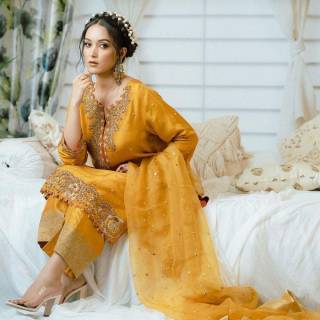
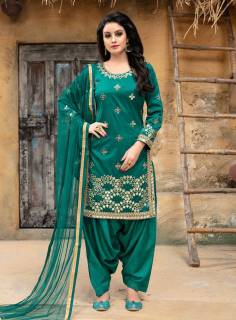
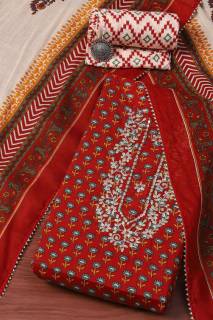
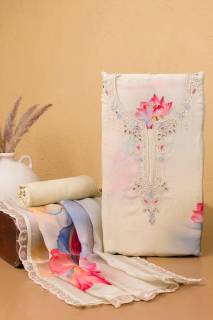
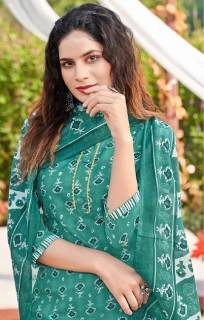
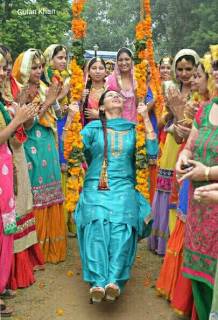
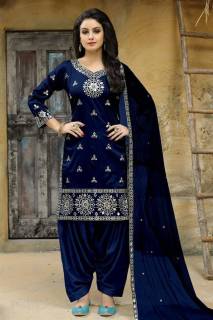
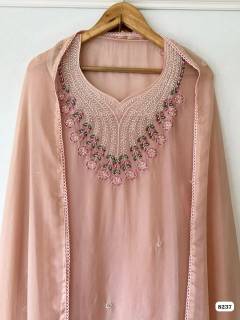
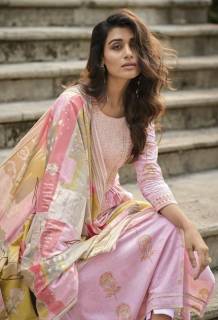
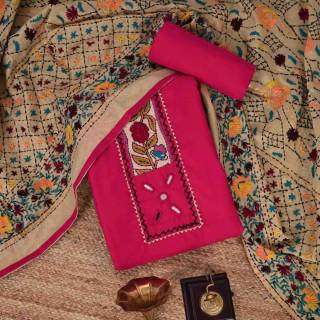
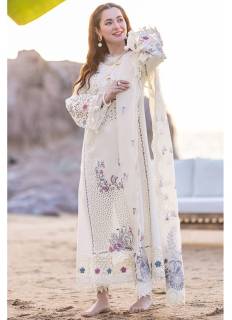
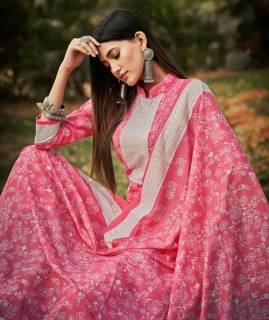
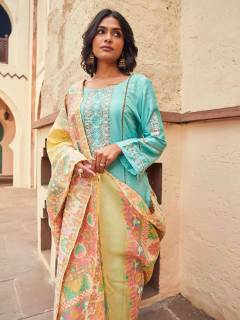
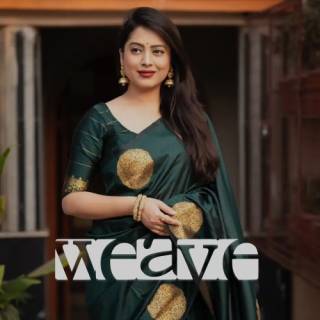
Velvet’s opulence makes it a top choice for luxury fashion—gowns, jackets, and accessories see seasonal revivals. In ethnic wear, it’s a staple in regal sherwanis, lehengas, and dupattas, especially during festive seasons and weddings. Modern blends with synthetics enhance durability and affordability, broadening its appeal.
Care Instructions
Proper care preserves velvet’s plush feel:
-
Dry cleaning is generally recommended, particularly for silk velvet.
-
If washing at home, use cold water and mild detergent, avoid wringing, and air dry flat.
-
Steam lightly to release wrinkles, but avoid direct pressing.
Global Market Demand
Velvet’s tactile luxury has spurred consistent global demand, especially in the fashion, home décor, and ethnic wear sectors. Advances in synthetic production have made velvet accessible, with Europe and Asia leading the way in development and export.
Blog Topic Ideas
-
"Velvet Through the Ages: From Royal Courts to Runways"
-
"A Weaver’s Guide: Techniques and Traditions in Velvet Fabric"
-
"Fashion Trends: Velvet’s Comeback in Modern and Ethnic Wear"
-
"Velvet Care 101: How to Keep Your Fabric Looking Luxurious"
-
"Exploring Velvet Varieties: Which Type is Right for You?"
-
"The Rise of Synthetic Velvets: Affordable Luxury for All"
-
"Velvet’s Global Journey: Market Demand and Innovations"