Velvet Fabric: A Regal Tradition in Indian Culture
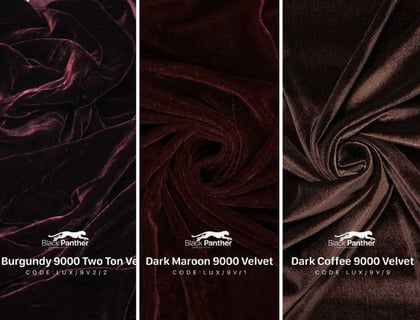
Velvet fabric has been an integral part of Indian heritage, a symbol of luxury, opulence, and intricate craftsmanship, especially since the Mughal era. From its regal history to its modern-day applications, velvet’s influence has been deeply woven into the cultural fabric of India. This fabric is more than just a textile—it embodies centuries of tradition, luxury, and artistry, making it a true cultural icon.
Velvet’s Royal Legacy in India
The association of velvet with luxury and royalty dates back to the Mughal period when this sumptuous fabric was introduced to India. The Mughal emperors, known for their extravagance and artistic tastes, favored velvet for its deep color absorption and reflective sheen. It became a symbol of wealth and was used for royal attire such as sherwanis, angarkhis, and achkans. Velvet also adorned ceremonial spaces—Emperor Jahangir even mentioned in his records the use of gold-embroidered velvet carpets in his court.
This regal fabric was not just reserved for clothing. It found its way into the royal courts in the form of velvet carpets, embroidered wall hangings, and ceremonial trappings for royal processions. Velvet was also a preferred choice for decorating palaces, temples, and court venues during festivities and rituals, highlighting its status as a material linked to grandeur.
Artistic Craftsmanship and Regional Significance
Velvet weaving in India is more than a craft—it's an art passed down through generations, with regions like Gujarat and Lahore gaining fame for their intricate designs and superior craftsmanship. These areas produced some of the most exquisite velvet fabrics, often incorporating metallic threads and elaborate embroidery. The techniques used to create these fabrics were highly prized, and the products were meant to be both functional and decorative.
Types of Traditional Velvet
-
Ikat Velvets: These velvets are known for their distinctive patterns, often slow to produce, making them highly exclusive. The meticulous weaving process made them highly sought after.
-
Voided Velvets (Makhmalaizarbaft): Known for their luxurious look, these velvets were woven with gold or silver motifs, making them perfect for ceremonial use.
In addition to garments, velvet was used to craft royal accessories like purses (batua), hats, and even footwear (juttis). The artistry of velvet was not limited to fabric but extended to all elements of royal life, giving it a strong presence in both daily wear and ceremonial traditions.
Rituals, Religious Uses, and Decorative Traditions
Velvet’s connection to Indian royalty extended to religious and ceremonial purposes as well. It was commonly used in temples to cover sacred books, adorn idols, and even create backdrops for spiritual rituals. The fabric was also featured prominently in the courts during important ceremonies, where it adorned the walls, the floors, and the royal procession, adding an air of sacred luxury to the setting.
Even royal animals, such as elephants and horses, were draped in velvet during processions, reflecting the importance of velvet in high-status events. Velvet, therefore, became not just a material but a symbol of reverence, luxury, and festivity in both the royal courts and religious spaces.
Velvet in Modern Indian Fashion and Ethnic Wear
Today, velvet continues to maintain its prestigious status in Indian culture, especially during weddings and festivals. Modern Indian designers use velvet to create stunning lehengas, sarees, sherwanis, dupattas, and coats, often adding intricate embroidery like zardozi or embellishments that reflect the rich cultural heritage of India.
Velvet has also seen a resurgence in contemporary fashion, with more accessible production methods allowing for an expanded range of applications. Despite these changes, handloom-woven and embroidered velvet fabrics still hold immense value for their heritage and artistic worth.
Conclusion
Velvet fabric in India represents much more than luxury; it signifies history, culture, and tradition. From its regal past to its modern-day use in fashion and décor, velvet remains a timeless textile that symbolizes the beauty and artistic brilliance of India. Whether used in royal court attire, religious ceremonies, or contemporary wedding celebrations, velvet continues to be a beloved and prestigious material that holds a significant place in India’s cultural and artistic heritage.
The legacy of velvet in India is a testament to its ability to adapt over time while retaining its association with elegance, refinement, and grandeur. Whether you are looking for exquisite ethnic wear or beautiful home décor, velvet continues to be the go-to fabric for adding luxury, charm, and heritage to any space or occasion.